
Cognitive decline affects more than memory; it can reshape the emotional landscape of daily life. Individuals living with Alzheimer’s disease or other forms of dementia often experience intense anxiety, stemming from confusion, overstimulation, or feelings of vulnerability. This emotional weight impacts not only the individual but also those who care for them.
At HearthStone Ciel Senior Living Communities, memory care is thoughtfully designed to reduce this anxiety, strengthen emotional well-being, and create daily experiences filled with reassurance and dignity. Through structured routines in senior assisted living, trained support, and familiar environments, memory care can help individuals feel safe, connected, and empowered.
Understanding the Emotional Strain of Memory Loss
As memory-related conditions progress, daily life becomes increasingly unpredictable. Individuals may:
- Struggle to recognize people or places
- Forget recent events or misplace belongings
- Feel disoriented, especially during transitions or in unfamiliar settings
This unpredictability fuels fear and stress, often resulting in mood changes, outbursts, or social withdrawal. The benefits of memory care begin with a consistent, comforting rhythm to the day, helping minimize these stressors and create a greater sense of emotional ease.
A structured environment with predictable routines allows residents to engage in familiar activities at their own pace, reducing confusion and offering gentle reassurance throughout the day.
A Personalized Approach to Reduce Anxiety
No two memory journeys are the same. That’s why person-centered care is at the heart of memory support at HearthStone. Rather than applying a one-size-fits-all model, caregivers build connections with residents, learning their life stories, preferences, and triggers.
This tailored support helps reduce anxiety in key ways:
- Using familiar language, music, or phrases that resonate
- Supporting daily tasks with encouragement rather than pressure
- Offering activities that match current cognitive and physical ability
- Creating quiet spaces when stimulation becomes overwhelming
These personalized interactions build trust and boost emotional confidence, key pillars in enhancing quality of life.
The Power of Environment in Reducing Overwhelm
Memory care neighborhoods are intentionally designed to soothe, not stimulate. Soft lighting, calming color palettes, and clearly labeled spaces make it easier for residents to navigate their surroundings without feeling lost or overstimulated.
These physical elements contribute to the benefits of memory care by lowering environmental triggers of anxiety and allowing residents to feel more at home.
Consistent, Engaging Activities That Foster Confidence
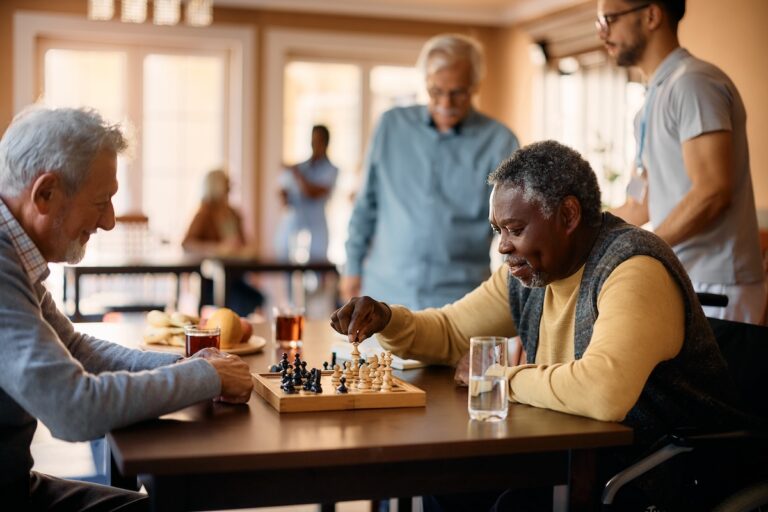
Purpose-driven engagement plays an essential role in reducing anxiety. Many individuals with memory loss feel frustrated when they can no longer complete familiar tasks. But when activities are adapted to match their current abilities, they rediscover confidence and joy.
Memory care programs often include:
- Art and music therapy
- Gardening and nature-based experiences
- Pet therapy or interaction with companion animals
- Guided movement or chair yoga
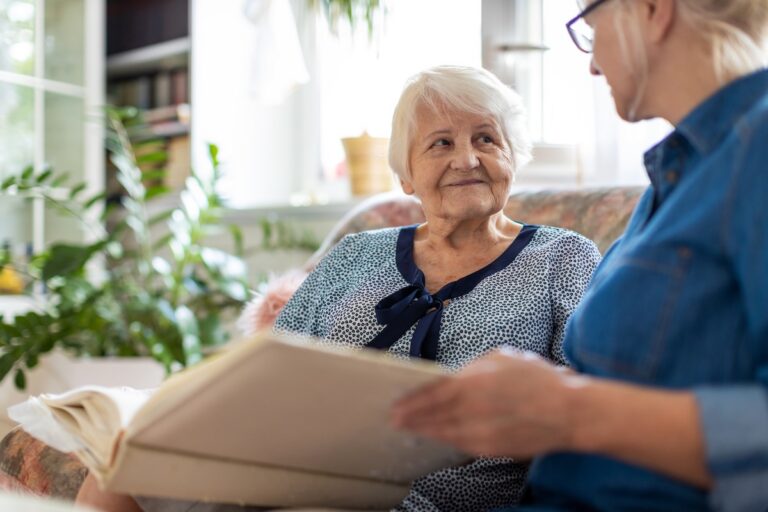
- Reminiscence groups using familiar objects, photos, or music
These meaningful interactions help strengthen the mind-body connection, promote social connection, and create positive emotional experiences. And the more opportunities individuals have to succeed and express themselves, the less fear they carry through their day.
Family Relief and Restored Relationships
Anxiety can take a toll on the entire household, not just the individual experiencing memory loss. Spouses, adult children, and extended family members may feel overwhelmed by the responsibility of care, leading to burnout, guilt, or isolation.
Transitioning to memory care can restore balance by providing:
- 24/7 support from specially trained caregivers
- Regular communication and updates from staff
- Peace of mind knowing your family member is safe and engaged
- Opportunities to enjoy visits as a son, daughter, or spouse again, not just a caregiver
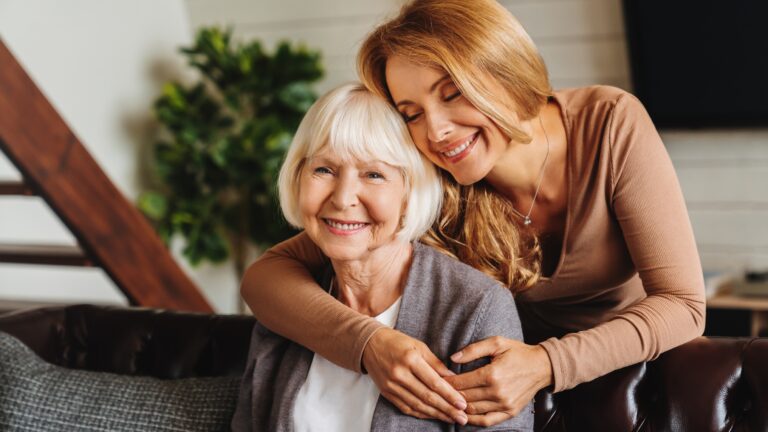
Families often report that one of the most meaningful benefits of memory care is the ability to reconnect emotionally, laughing together, reminiscing, or sharing a quiet moment, without the constant burden of worry or task management.
Key Takeaways
- Memory loss is often accompanied by anxiety, which can be eased through structure, routine, and emotional support.
- Memory care communities offer personalized approaches that reduce stress, improve daily interactions, and promote a sense of security.
- Purposeful environments, engaging activities, and caregiver expertise all contribute to stronger emotional well-being.
- Families benefit as well, gaining peace of mind and the space to rebuild meaningful relationships.
Discover the Difference at HearthStone
At HearthStone communities, memory care is about more than safety. It’s about honoring each individual with compassion, dignity, and joy. Whether your family member is in the early or more advanced stages of memory loss, our team is here to offer the guidance and support you need to move forward confidently.
Reach out today to learn more about our approach to senior assisted living and how we can help reduce anxiety and improve everyday life for someone you love.