
A dementia diagnosis can quickly become the lens through which everything else is viewed. Conversations shift toward symptoms. Families begin thinking about what has changed, what has become difficult, and what might happen next.
The person at the center of those conversations is still the same person who built a career, developed favorite routines, and formed relationships over a lifetime. A diagnosis may change what someone needs, but it does not erase who they are.
That distinction is at the heart of person-centered memory care. Instead of organizing life entirely around dementia, this approach asks a more meaningful question: Who is this person, and what helps them experience a good day?
At HearthStone Ciel Senior Living Communities in Florida, that question matters because memory care should do more than respond to cognitive changes. It should make room for individuality to remain visible.
A Diagnosis Can Explain Needs, But It Can’t Explain a Person
Two people living with the same type of dementia may experience daily life very differently. One may find music deeply comforting, while another prefers being outdoors. Someone who has always enjoyed conversation may seek company throughout the day, while a lifelong introvert might be happiest with quieter interactions.
Those differences matter.
Knowing a resident’s diagnosis helps associates understand certain care needs, but knowing the resident helps them understand how that care should feel.
Personal history can offer important clues. So can longtime habits. Even seemingly small preferences, such as when someone likes to wake up or how they prefer to spend the afternoon, can influence how comfortable the day feels.
This is where person-centered memory care moves beyond a standard care plan. Support becomes responsive to the individual rather than asking the individual to fit into a predetermined routine.
Sometimes the Goal Isn’t to Correct the Moment
Memory loss can change the way someone understands a situation, and families often instinctively want to correct confusion. The facts may feel important: That’s not where we are. We already talked about this. That happened years ago.
However, being factually correct does not always make someone feel better.
Sometimes a more supportive response begins by paying attention to the emotion underneath the words. A resident who repeatedly asks about going home may be seeking reassurance rather than directions. Someone searching for a parent who died years earlier may be expressing a need for familiarity.
Responding to that underlying feeling can preserve trust and prevent an already confusing moment from becoming more upsetting.
Good memory care isn’t about winning an argument with someone’s reality. It’s about understanding what they may be trying to communicate and meeting them there with patience.
Familiarity Can Change the Entire Feel of a Day
A good day doesn’t necessarily require something extraordinary.
It might begin with a familiar breakfast and continue with music someone has loved for decades. Later, there may be time outside or an activity that feels recognizable enough to participate in without pressure.
These details may seem small, but familiarity can provide an important anchor when other parts of life feel uncertain.
This is also why consistency matters. Seeing associates who know your preferences is different from constantly having to explain yourself to someone new. Moving through a daily rhythm that feels recognizable can reduce the number of moments that require adjustment.
Engagement Should Still Feel Like the Person
There is a temptation in senior living to measure engagement by participation. If the activity calendar is full and residents are attending, engagement must be working.
Memory care requires a more thoughtful standard.
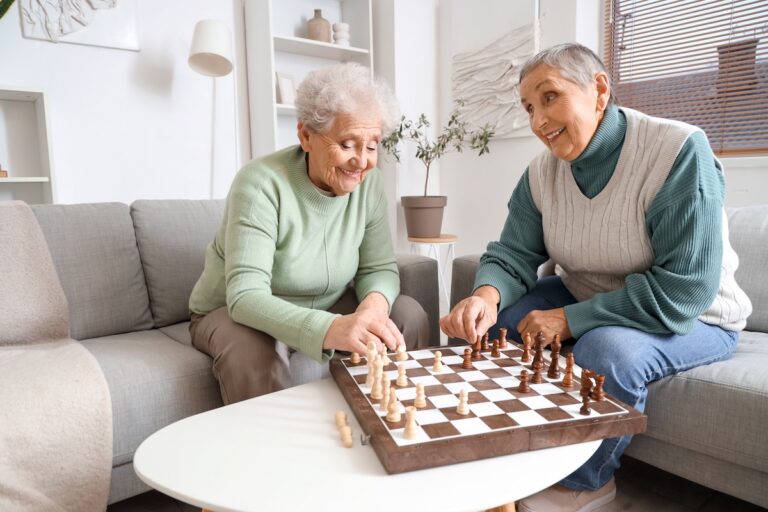
Someone who has spent years caring for a garden may find more satisfaction in tending a plant than in completing a scheduled craft. Another resident may prefer to listen to the conversation rather than join it.
Neither of these experiences is more successful than another.
Person-centered memory care recognizes that meaningful engagement doesn’t have to look impressive from across the room. It simply needs to mean something to the person experiencing it.
Families Help Keep the Story Intact
Families know things that no medical record can capture.
They know which song has always prompted a smile. They remember the Sunday morning ritual that happened for 40 years and the story behind the photograph on the dresser. They may recognize a subtle expression that means a family member is tired long before anyone else does.
That knowledge helps memory care become more personal.
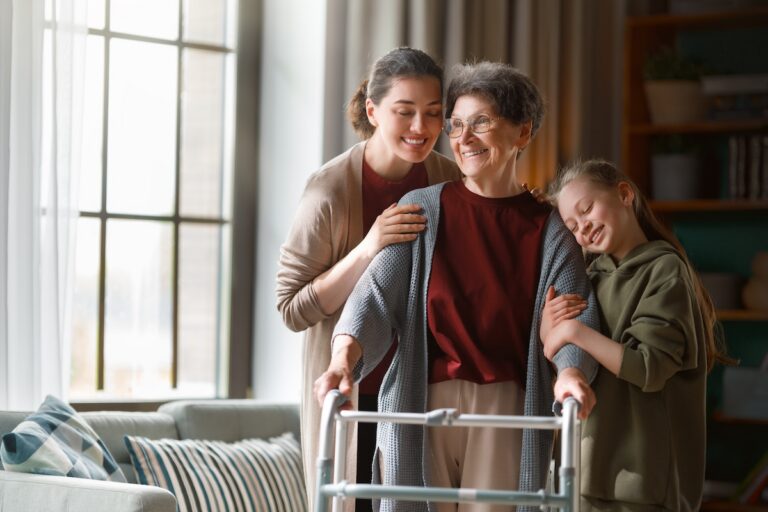
As needs change, families can provide continuity between the life someone lived before memory care and the life they are living now. Their insight gives associates a fuller understanding of the resident, particularly when that individual can no longer easily communicate every preference themselves.
The relationship between families and associates becomes especially valuable because dementia may change communication, but it doesn’t make personal history less important.
The Person Is Still There
Perhaps the most important principle behind memory care is also the simplest: a diagnosis should never become someone’s entire identity.
Abilities may change. Communication may look different than it once did, and support needs may increase. Still, there are opportunities to recognize personality and preference every day.
At HearthStone Ciel Senior Living Communities, supporting the whole person means paying attention to those details. Care should respond to changing needs without allowing those needs to overshadow the individual receiving it.
That’s what makes memory care personal. Not simply knowing someone’s diagnosis, but continuing to know them.
Key Takeaways
- Person-centered memory care begins with understanding the individual beyond their diagnosis.
- Personal history and familiar routines can shape how comfortable someone feels throughout the day.
- Responding to the emotion behind a moment can sometimes be more supportive than correcting confusion.
- Meaningful engagement should reflect the resident rather than simply encourage participation.
- Families provide valuable insight that helps associates understand who a resident has always been.
Memory Care That Starts With the Individual
Choosing memory care often begins with questions about what a family member needs. An equally important question is how a community will continue recognizing who that person is.
At HearthStone Ciel Senior Living Communities in Florida, our approach begins with getting to know the individual and allowing that understanding to shape everyday support. We believe changing needs deserve thoughtful care without allowing a diagnosis to define the person receiving it.
If you’re exploring memory care for a family member, contact HearthStone Ciel Senior Living Communities to schedule a visit and experience an approach that keeps the individual at the center of care.