
Memory loss can affect far more than a person’s ability to remember names, dates, or routines. It can also influence emotional well-being, confidence, and overall comfort throughout the day. Feelings of confusion or frustration may become more frequent, especially when familiar tasks suddenly feel difficult or overwhelming.
Families often begin exploring memory care because they are concerned about safety, but many are surprised to discover how much the right environment can positively impact daily life. One of the most important ways memory care benefits mood is by creating structure, familiarity, and opportunities for meaningful connection.
At HearthStone Ciel Senior Living Communities, memory care is designed to support the whole person through compassionate care, calming environments, and personalized engagement.
Why the Environment Plays Such an Important Role
For individuals living with Alzheimer’s disease or other forms of dementia, the environment can shape how the entire day feels. Too much stimulation, inconsistent routines, or unfamiliar surroundings may increase anxiety and disorientation.
A thoughtfully designed memory care environment helps reduce those stressors through:
- Predictable daily routines
- Calm and welcoming spaces
- Familiar caregivers and interactions
- Opportunities for engagement without overwhelm
When individuals feel more secure in their surroundings, they are often able to experience greater emotional comfort and stability.
How Structure Can Improve Focus
Memory-related conditions often make it difficult to process information or adapt to sudden changes. Even simple tasks may require more concentration than they once did.
Consistent routines help reduce that mental strain. Residents know what to expect throughout the day, which can ease uncertainty and support better focus.
Meals, activities, and quiet moments are thoughtfully incorporated into the daily rhythm, creating an environment that feels supportive rather than chaotic. This structure allows residents to spend less energy trying to navigate change and more energy engaging in meaningful experiences.
At HearthStone Ciel Senior Living Communities, routines are personalized whenever possible, so residents feel comfortable while still maintaining a sense of familiarity and independence.
The Connection Between Mood and Engagement
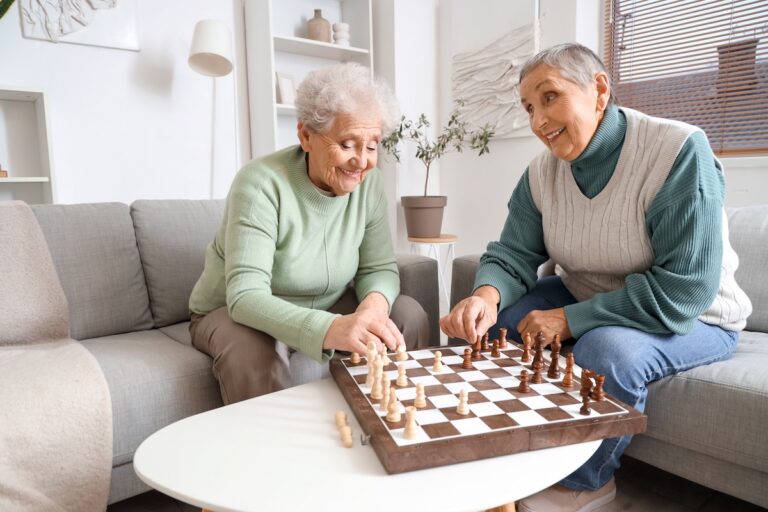
One of the clearest examples of how memory care benefits mood is through meaningful engagement. Isolation and inactivity can increase feelings of sadness, frustration, or restlessness, while positive social interaction often helps residents feel more connected and emotionally balanced.
Engagement does not need to be complicated to be effective. Comfort and joy can come from:
- Listening to familiar music
- Spending time outdoors
- Participating in creative activities
- Sharing meals or conversations with others
These experiences encourage emotional connection and create moments of enjoyment that help brighten the day.
Rather than focusing only on cognitive decline, memory care communities aim to support emotional wellness alongside physical care.
Comfort Comes From Feeling Understood
Comfort is about more than physical surroundings. It also comes from trust, patience, and emotional reassurance.
Individuals living with memory loss may have trouble expressing fear, discomfort, or confusion clearly. Compassionate caregivers who understand these experiences can make a significant difference in how residents feel each day.
Small interactions often have the biggest impact:
- A calm tone of voice
- Familiar daily routines
- Gentle reassurance during moments of uncertainty
- Respect for personal preferences and habits
This personalized approach helps create a greater sense of emotional safety and belonging.
Throughout our senior living communities in Florida, we believe meaningful care starts with understanding the individual behind the diagnosis. Learning each resident’s routines, preferences, and personality allows support to feel more familiar and comforting.
Supporting Families Through the Transition
Memory loss affects the entire family. Adult children and spouses often carry emotional stress while trying to balance caregiving responsibilities with concern for their family member’s well-being.
Transitioning into memory care can provide relief and reassurance. Families gain peace of mind knowing support is available throughout the day, while visits become less focused on caregiving tasks and more centered on connection.
Another important way memory care benefits mood is by improving the emotional experience for both residents and their loved ones. Families often feel more present and less overwhelmed once consistent support is in place.
Key Takeaways
- Memory care supports emotional well-being in addition to physical safety and cognitive needs.
- Structured routines and calming environments help improve focus and reduce anxiety.
- Meaningful engagement and social connection play a major role in emotional health.
- Compassionate interactions and familiarity help residents feel more comfortable and secure.
- Memory care benefits mood by creating stability, connection, and opportunities for positive daily experiences.
Creating Comfort Through Compassionate Care
The right memory care environment can help individuals feel calmer, more engaged, and more comfortable in everyday life. At HearthStone Ciel Senior Living Communities, we focus on supporting the whole person through personalized care, meaningful connection, and environments designed to encourage emotional well-being.
If you are exploring memory care options for a family member, we invite you to learn more about how thoughtful support can make a meaningful difference.
Contact us today to schedule a visit to one of our senior living communities in Florida or speak with our team.