Moving into a senior living community is a major life transition. Even when the decision feels right, it still comes with change: new surroundings, new routines, and unfamiliar faces. Some residents seem to settle in almost immediately, while others need more time before the community truly begins to feel like home.
There is no “correct” timeline when it comes to adjusting to senior living. Every individual brings their own personality, experiences, routines, and emotions into the process. Understanding what helps people feel comfortable can make the transition smoother and more reassuring for both residents and families.
At HearthStone Ciel Senior Living Communities, we believe settling in is about more than unpacking belongings. It’s about building comfort, familiarity, and connection in ways that feel natural and personal.
Why Some Residents Adjust More Quickly
People who settle in quickly often share a few common experiences. They may enter the move with curiosity, openness, or a desire for change. Some are relieved to let go of the stress of maintaining a home or managing daily responsibilities alone.
Others adapt more easily because they:
- Participate in activities early on
- Introduce themselves to neighbors
- Keep familiar routines in place
- Personalize their living space quickly
Connection also plays a significant role. Residents who begin building relationships early often feel more grounded and emotionally secure in their new environment.
Still, fast adjustment does not necessarily mean someone is having an easier emotional experience. Transitions affect everyone differently, even when outwardly things appear smooth.
Why the Transition Can Feel Difficult
For some individuals, the emotional side of the move takes longer to process. Leaving a longtime home may bring feelings of grief, uncertainty, or loss of control. Familiar habits and surroundings often carry deep emotional meaning.
Adjusting to senior living can feel especially challenging when the move happens quickly or after a health event. In these situations, individuals may feel like they are reacting to change instead of preparing for it.
Even positive transitions require time. It is completely normal for residents to:
- Miss their previous routines
- Feel hesitant in social settings
- Need quiet time before engaging fully
- Experience moments of doubt during the first few weeks
Patience and reassurance are essential during this period.
Familiarity Creates Comfort
One of the most helpful parts of the adjustment process is creating a sense of familiarity. Small comforts can make a new environment feel significantly more personal.
Residents often settle in more comfortably when they bring:
- Favorite furniture or decor
- Family photos or keepsakes
- Familiar blankets, books, or artwork
- Daily rituals that help create consistency
Maintaining pieces of a familiar routine helps create emotional grounding. Something as simple as morning coffee in a favorite mug or listening to familiar music can make a meaningful difference.
Relationships Matter More Than Most People Realize
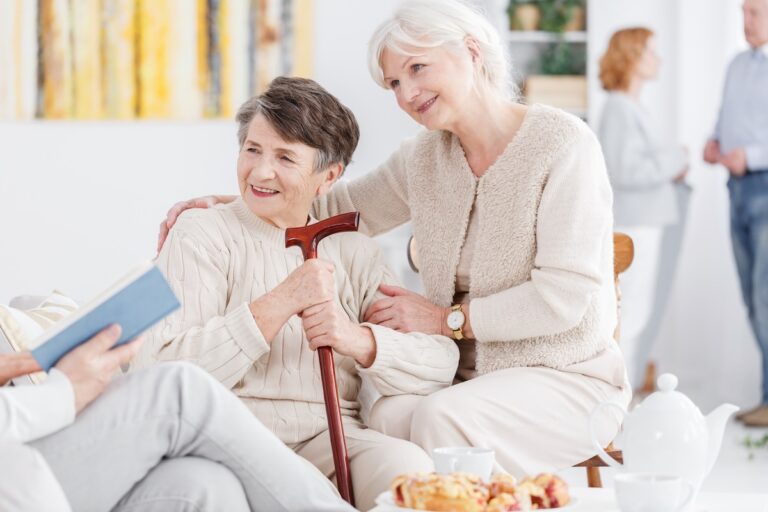
Community connection plays a major role in adjusting to senior living. Feeling known, welcomed, and included helps transform a new environment into a place that feels emotionally safe.
This process often happens gradually through:
- Casual conversations during meals
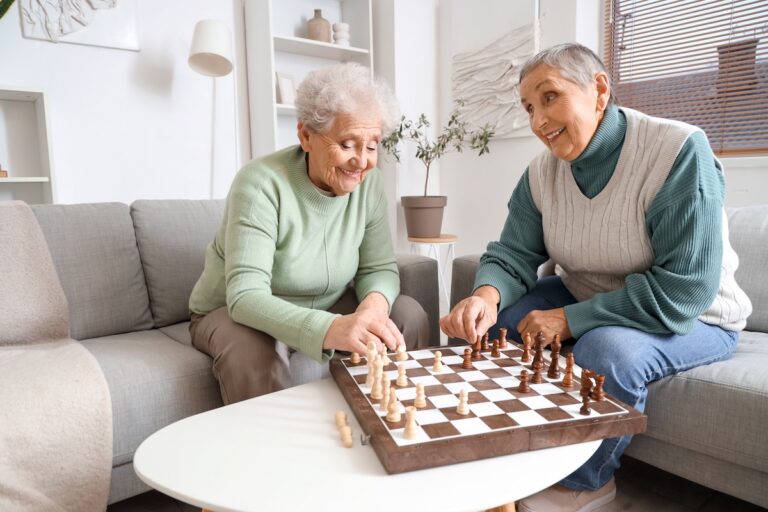
- Shared activities and events
- Friendly interactions with team members
- Seeing familiar faces throughout the day
At HearthStone Ciel Senior Living Communities, our team understands that relationships cannot be rushed. We focus on creating opportunities for authentic connection while respecting each resident’s pace and personality.
Some residents become socially engaged right away. Others need more time before they feel comfortable participating. Both experiences are completely valid.
Families Play an Important Role Too
Families often focus on whether their parent or family member “likes it yet.” While that concern is understandable, adjusting to senior living is rarely instant.
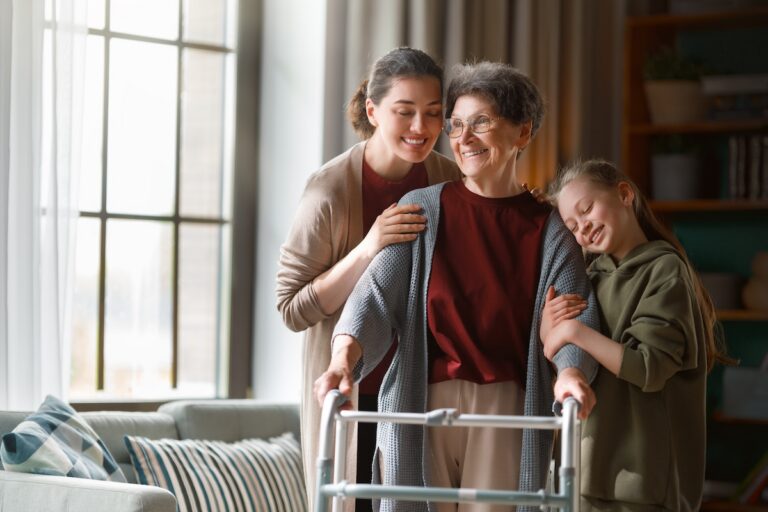
Consistent encouragement from family members can help ease the transition. Visiting regularly, participating in community events, and speaking positively about the move can reinforce feelings of stability and support.
At the same time, balance is important. Allowing residents space to form their own routines and relationships helps them develop a sense of independence within the community.
Support Beyond the Practical Needs
Successful transitions are not just about meeting physical needs. Emotional support matters just as much.
Feeling listened to, respected, and included can significantly impact how comfortable someone feels in their new environment. Communities that prioritize compassion and personalization often help residents settle in more naturally because individuals feel seen as people, not just residents.
This is why adjusting to senior living in Florida is about more than logistics. It is about building trust, familiarity, and confidence over time.
Key Takeaways
- Everyone experiences adjusting to senior living in Florida differently, and there is no “right” timeline.
- Familiar belongings, routines, and relationships can help residents feel more comfortable.
- Emotional adjustment is just as important as physical transition.
- Social connection often develops gradually through small, consistent interactions.
- Supportive communities that prioritize compassion and personalization help residents feel more at home over time.
Finding Comfort in a New Chapter
Transitions take time, but the right environment can make all the difference. At HearthStone Ciel Senior Living Communities, we understand that settling in is a deeply personal experience. Our goal is to create spaces where residents feel supported, welcomed, and empowered to adjust at their own pace.
Whether you are exploring senior living in Florida for yourself or helping a family member through the transition, our team is here to help make the process feel less overwhelming and more hopeful.
Contact us today to learn more or schedule a visit.